Great Actors, Small Cinema
Watching True Confessions (1981)

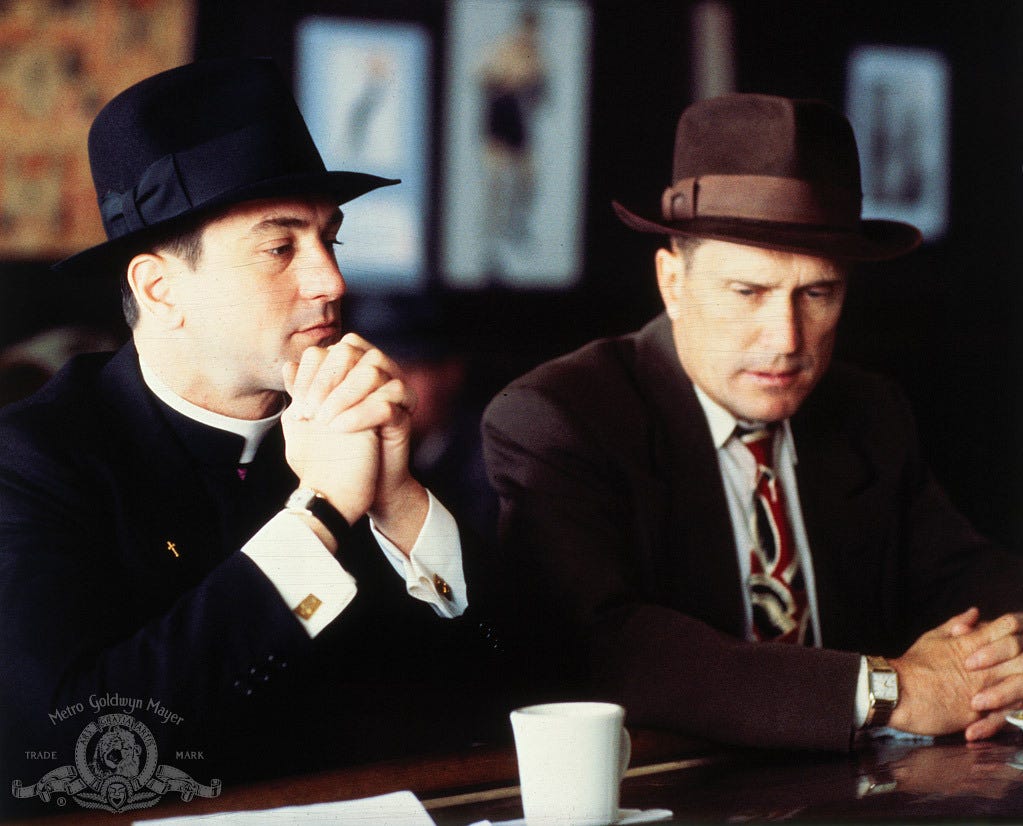
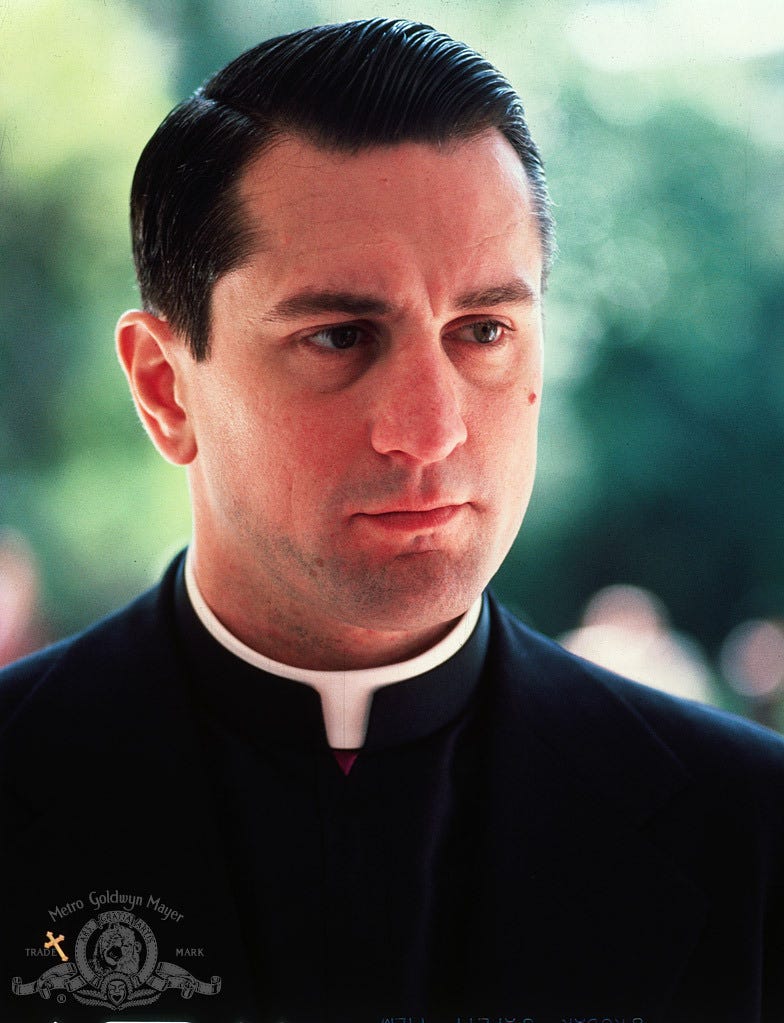
True Confessions (1981) is a film made hot on the heels of Raging Bull - so hot, in fact, that Robert De Niro’s cheeks still carry the residual inflation of Jake LaMotta even after shedding twenty-five kilos. I first saw it when I was an actor-in-training, aged twenty-three, dutifully apprenticed to the gospel of De Niro and hoping that by osmosis his gravitas might rub off. I remember admiring the performances, particularly Robert Duvall’s hard-boiled, low-simmering detective Tom Spellacy, and was taken by the film’s faint neo-noir perfume. But I could scarcely follow the plot. I know there was talk of a murdered “Virgin Tramp,” some ecclesiastical horse-trading, and a great deal of mumbling about sin and corruption. Yet no single truly dramatic scene emerged from the fog.
Revisiting it decades later, on a gigantic TV screen that flatters no defects (I first saw it on a well-worn VHS, possibly on a TV fit for a brief stay in a boarding house), I found my original impression largely unchanged. True Confessions is an intelligent story told without cinematic intelligence. It has ideas - faith versus corruption, blood versus grace - but no pulse. It’s as if director Ulu Grosbard mistook restraint for depth, which is not an uncommon failing in cinema. The result is bloodless: a film of great actors yet small cinema.
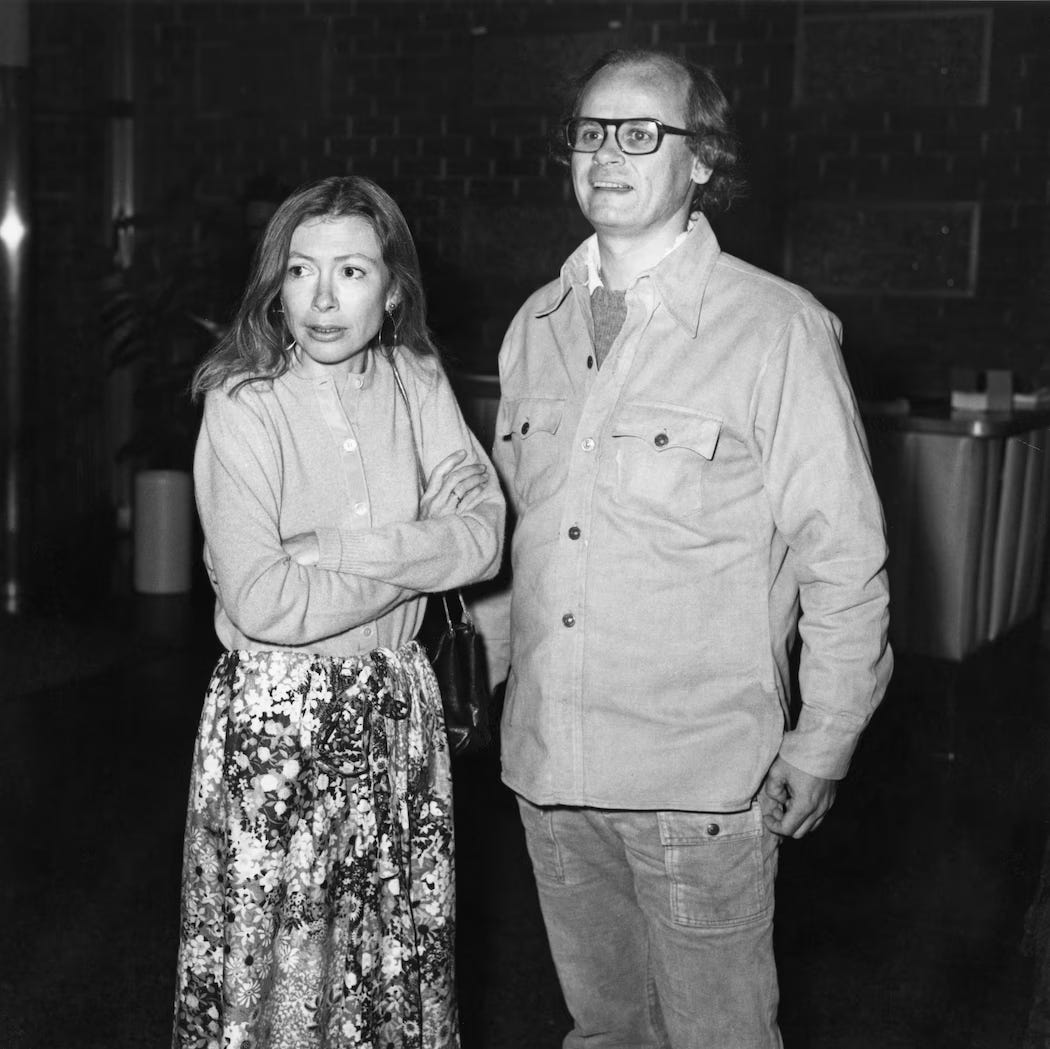
Adapted from John Gregory Dunne’s 1977 novel by Dunne himself and his wife, writer and journalist Joan Didion, True Confessions is a meditation on moral rot dressed up as a murder mystery. The story - loosely inspired by the 1947 Black Dahlia killing - follows two brothers in post-war Los Angeles: Monsignor Des Spellacy (De Niro), a smooth-faced “fixer” priest who brokers deals between the Church and the city’s moneyed elite; and his brother Tom (Duvall), a homicide detective whose moral compass, though cracked, still quivers toward justice. When the mutilated body of a young woman is discovered (her death a ghastly echo of the Dahlia case), Tom suspects a shady developer named Amsterdam (played by the incredibly versatile Charles Durning), who happens to be one of Des’s main and most problematic benefactors. Their professional spheres, already morally compromised, begin to collide. Yet the great revelation, that the real killer died off-screen in a car crash, lands with the force of a devastating revelation whispered to an empty confessional.
It’s a film about corruption and redemption, but both unfold by hearsay. True Confessions keeps promising a showdown between the secular and the sacred, between blood and grace, yet never delivers it. The brothers circle each other like boxers in different weight divisions. By the time the moral dust settles, one wonders if they were even in the same film.
De Niro’s performance - inward, reserved, half-sleeping - has none of his usual alchemy. Duvall, meanwhile, prowls the screen with a weary cynicism that only actors raised on the Method and Scotch can manage. Yet one can’t help but imagine how much better it might have played if the roles were reversed: Duvall the conflicted monsignor and De Niro the (younger by more than a decade) bulldog detective. At least then the story’s emotional current would have flowed the right way - from the street toward the altar rather than the other way around.
I am curious to read Dunne’s novel now, which I hear was more satire than dirge. The book was an acid lampoon of Los Angeles corruption and Catholic duplicity, more Catch-22 than Chinatown. Dunne’s prose is said to be laced with a journalist’s disgust and a moralist’s wit: priests as businessmen, cops as confessors, redemption sold wholesale. Didion’s rewrite for the screen trades the novel’s wicked irony for a sober moral parable. What had been comic bitterness in print became, on film, an austere sermon about guilt. Didion preserved the structure but bled out the humour, an act of literary piety that robbed the story of its essential sin. One wishes the film had inherited even half the novel’s satirical nerve, for energy if nothing else.
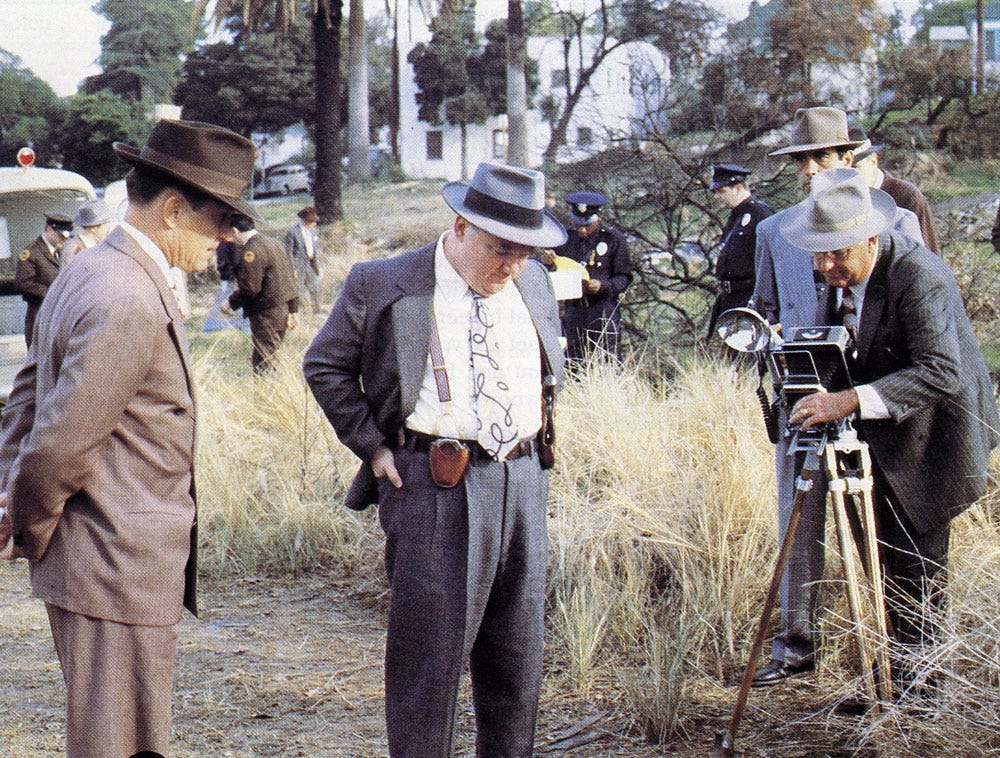
Behind the scenes, the production was as restive as the film itself. Grosbard shot for fifteen weeks across Los Angeles, often at real locations, Union Station, downtown backstreets, half-abandoned lots, all to give it a dusty authenticity. In the opening scenes, De Niro was surrounded by three real priests to lend verisimilitude. Duvall prepared by riding night beats with homicide detectives, sitting in on lie-detector tests, and even visiting an actual murder scene. Grosbard, in a fit of verité enthusiasm, neglected to warn extras about an impending brawl during a banquet sequence, their shocked reactions we see in the final product genuine. But despite these efforts, the result has the clipped rhythm of television rather than cinema. I forget who said that film is made in the transitions, but the flow between scenes in the film is completely artless.
The theme, if one can prise it from the murk, is institutional hypocrisy (why didn’t Joan give Paddy Chayefsky a call?) - the way faith, power, and money merge into a single organism of self-interest. Des Spellacy, the monsignor, is both its servant and its victim: a holy accountant who has misplaced his soul in the ledger. Tom, his brother, is the secular analogue, a cop who knows the law is just another church with different vestments. Their reconciliation, like everything else in True Confessions, occurs off-screen. One could call this subtlety – but you've got to earn the right to get this cute.
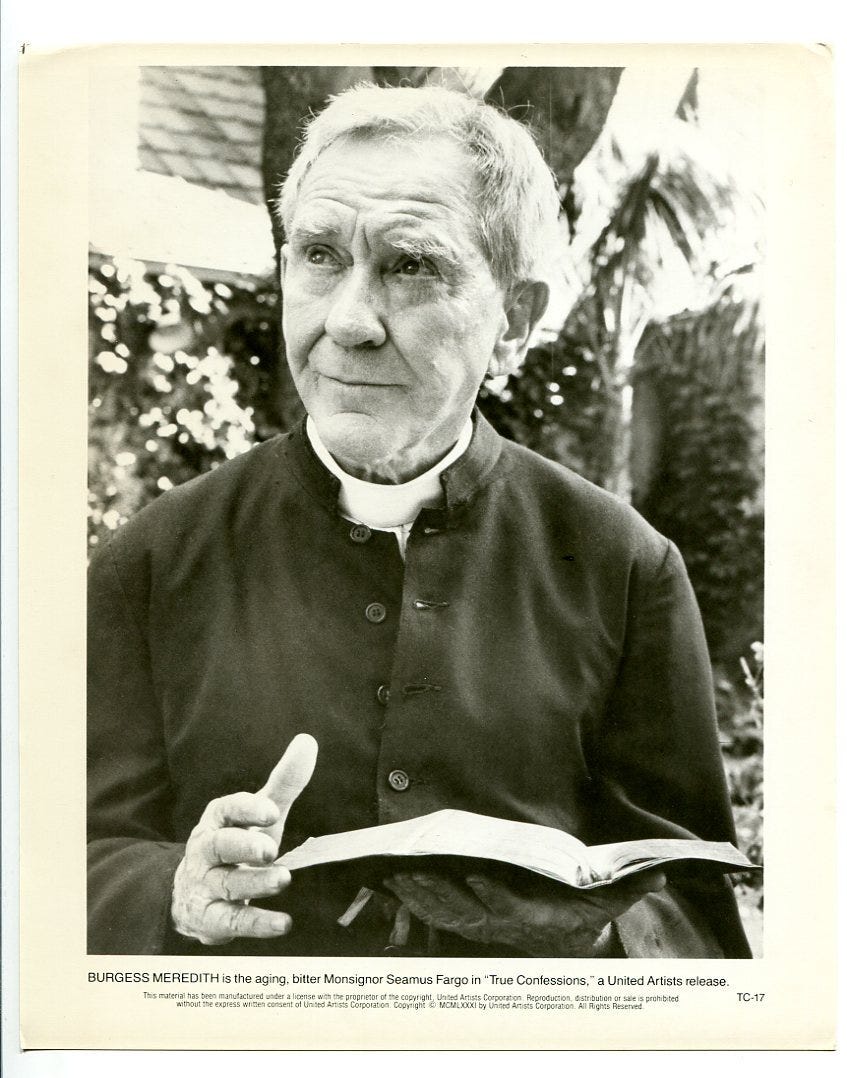
Special mention to Burgess Meredith (Mickey in the “Rocky” series), who only appears in three or maybe four scenes as an old priest pushed into retirement. Your heart will break for him in a way it won’t for anyone else in the movie.